When I think back on the fluorescent lit classrooms of high school and the lecture halls of college I get bored. I think of the filled up notebooks of doodles and pictures and scribbles and, well, not notes. I didn’t take notes because note taking was boring. It was tedious and laborious, but knowing what I know now I wish I had. And so does my GPA.
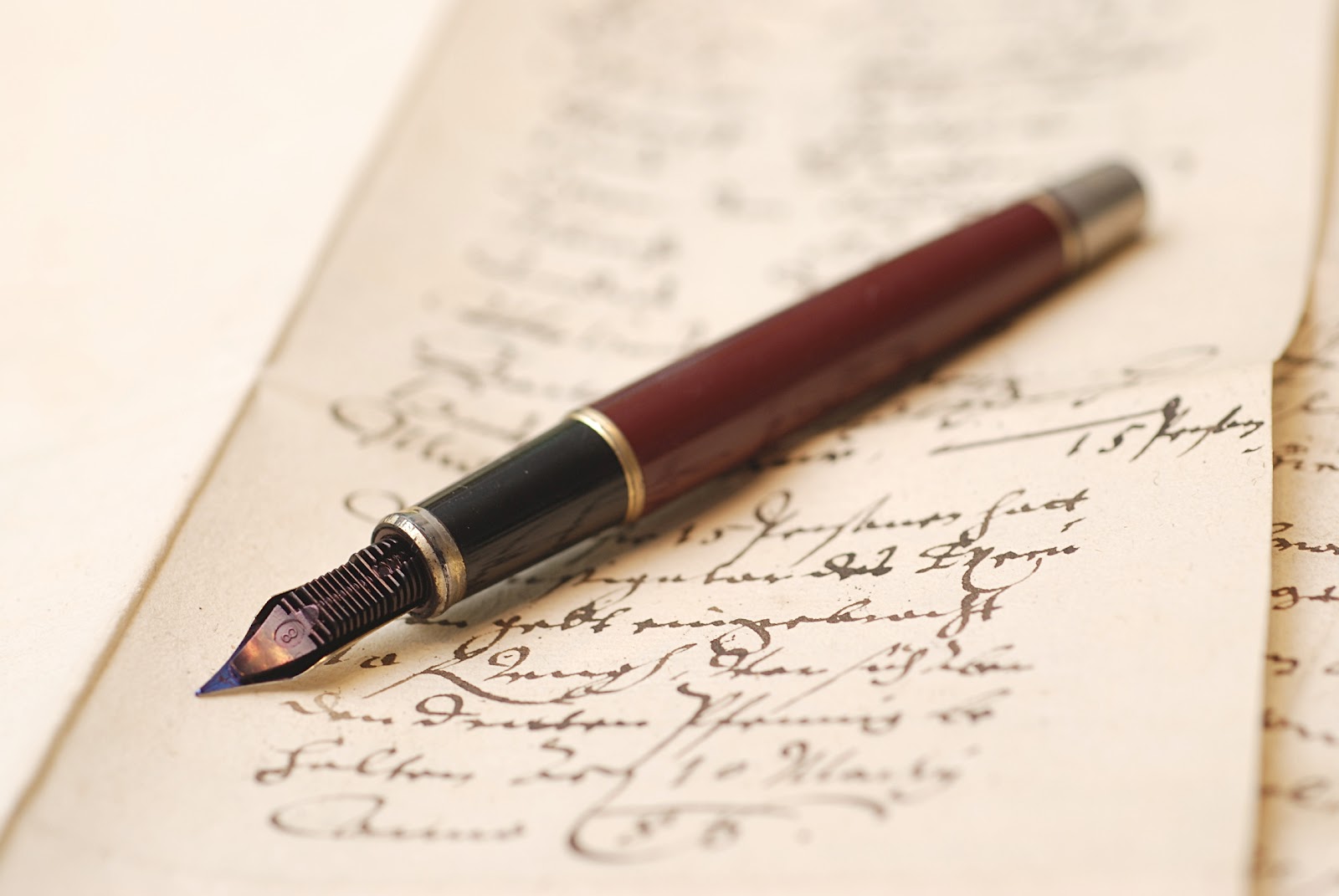 Taking notes helps you pay attention. Jotting down the main points and key quotes from a presentation or sermon or lecture keeps the mind engaged. If you’re like me and your mind easily drifts to football or work or snacks then note taking is especially valuable. Even the most focused people struggle to catch everything a speaker says over 30 or 40 minutes. Taking notes keeps the mind locked in.
Taking notes also helps the mind process the flow of what is said. As a speaker or preacher moves from point to point, especially if there are numerous sub points, the mind doesn’t always keep up, but writing them down is Hansel and Gretel dropping bread crumbs. Each jotted point marks your progress allows you to refer back to your route to re-orient yourself. This is especially helpful if the arguments or thought processes being presented are complex.
So too, note taking helps you remember what you hear. A study was done that says that people remember 20% of what they hear, 50% of what they see and hear, 70% of what they say, and 90% of what they do and say. Well, note taking is some combination of hearing, seeing, doing, and saying. But statistics aside, experience proves this point out. Inscribing things on paper has the effect of inscribing them in our mind.
.jpg)
If all this still doesn’t overcome the perceived tedium or work of note taking, consider this: the value of notes is not primarily in accessing them later. Notes rarely need to be reviewed unless, of course, one is still in school. We don’t get graded on remembering sermons or sales pitches. The value is in the taking of the notes. It can be helpful to review them, and occasionally it’s necessary, but mostly it’s just good to take them.
Finally, it’s worth remembering that there is no system that works for everyone. Some people take extensive, full sentence notes, some jot down the interesting quotes, while others just write down key words or ideas and skip the filler material all together. It can be in a Moleskine, on an iPad or on a napkin (although I’m sure there is research about whether hand writing or typing is more effective for the mind). For me, the format is determined by the importance of presentation – the more important it is the more I write. Feel free to write as much or as little as suits you, but the next time you sit down at church or in the board room just write something. You won’t regret it.
